Musicians :
Stan Get (tenor saxophone), Doc Severinsen, Bernie Glow or Joe Ferrante, Clark Terry or Nick Travis (trumpet), Ray Alonge (French horn), Tony Studd, Bob Brookmeyer or Willie Dennis (trombone), Gerald Sanfino or Ray Beckenstein (flute), Eddie Caine (alto flute), Ray Beckenstein and / or Babe Clark and / or Walt Levinsky (clarinet), Romeo Penque (bass clarinet), Jim Hall(guitar), Hank Jones (piano), Tommy Williams (bass), Jose Paulo (tambourine), Carmen Costa (cabasa), Johnny Rae (drums), Gary McFarland (conductor).
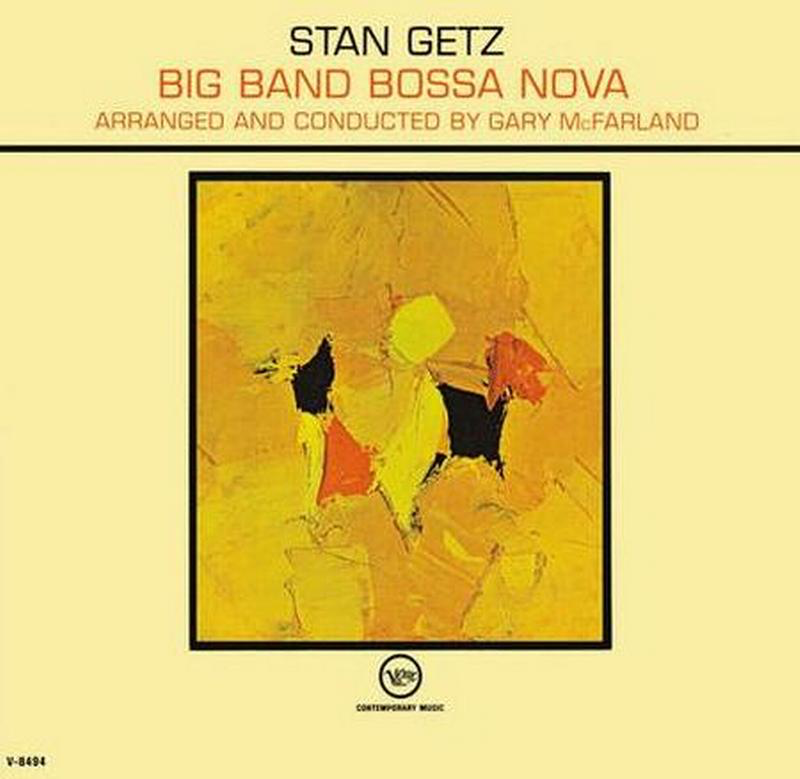
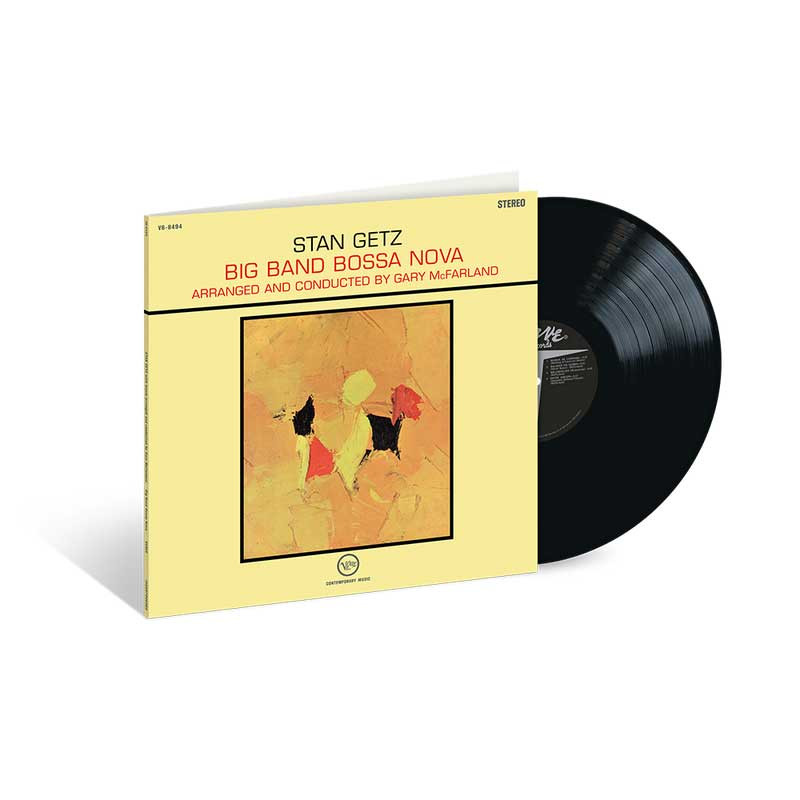
- Stan Getz "Big Band Bossa Nova" !
- Acoustic Sounds Series reissues from Verve / Universal Music Enterprises !
- Monthly releases highlighting the world's most historic and best jazz records !
- Mastered by Matthew Lutthans at The Mastering Lab from the original analog master tape !
- 180 gram LPs pressed at Quality Record Pressings !
- Stoughton Printing gatefold old-style tip-on jackets !
- Series supervised by Chad Kassem CEO of Acoustic Sounds !
Cool, confident, and impossibly seductive Big Band Bossa Nova captures Stan Getz at the exact moment the sound of Brazil began reshaping American jazz.
Released in 1962, this album didn't just ride the bossa nova wave it helped create it. In the wake of Getz's breakthrough collaborations with Charlie Byrd, Big Band Bossa Nova expands the palette, marrying the airy sensuality of Brazilian rhythm with the scale and sophistication of a full jazz orchestra. The result is a recording that feels both intimate and cinematic lush brass charts drifting beneath Getz's unmistakable tenor tone, warm as sunlight and cool as midnight.
Getz makes relaxed impressions on the album with "Manha de Carnival" and "Chega de Saudade". Jim Hall takes the role of acoustic guitarist from Charlie Byrd with his usual fluidity, and Hank Jones ruminates in a boppish way on piano, writes AllMusic in its 4-Star review.
Reviewers at the time recognized the shift. Writing in Gramophone in early 1963, Nigel Hunter noted the "bossa nova furore" sweeping across the Atlantic, singling out Getz as one of its most compelling ambassadors. While the dance itself may have puzzled audiences, the music told a different story-one of sophistication, accessibility, and undeniable charm.
More than six decades later, Big Band Bossa Nova remains a cornerstone of the genre and a high-water mark in Getz's catalog.